Vaccines are one of the most powerful tools we have to protect ourselves, our families, and our communities. Thanks to widespread immunization, once-common and deadly diseases like measles, polio, and diphtheria are now rare in the United States. But these diseases haven’t disappeared — they’re only under control because of vaccines.
What Do Vaccines Do?
Vaccines train your immune system to recognize and fight harmful diseases. They work by triggering a natural immune response — without causing the illness. If you’re vaccinated and exposed to the disease later, your body is ready to fight it off quickly and effectively.
Why Should You Care?
-
Protect yourself from serious illnesses that can lead to hospitalization or long-term complications.
-
Protect others — especially newborns, older adults, and people with weakened immune systems who may not be able to get vaccinated.
-
Prevent outbreaks. As fewer people vaccinate, diseases can come back — even in communities where they were once eliminated.
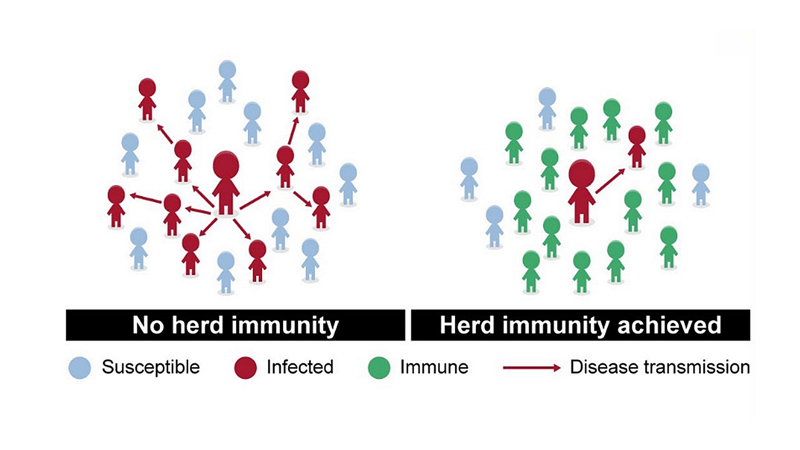
What is Herd Immunity?
Herd Immunity is a phenomenon where a sufficient proportion of a population is immune to a contagious disease, protecting those who are no immune, such as infants, the elderly, or immunocompromised individuals.
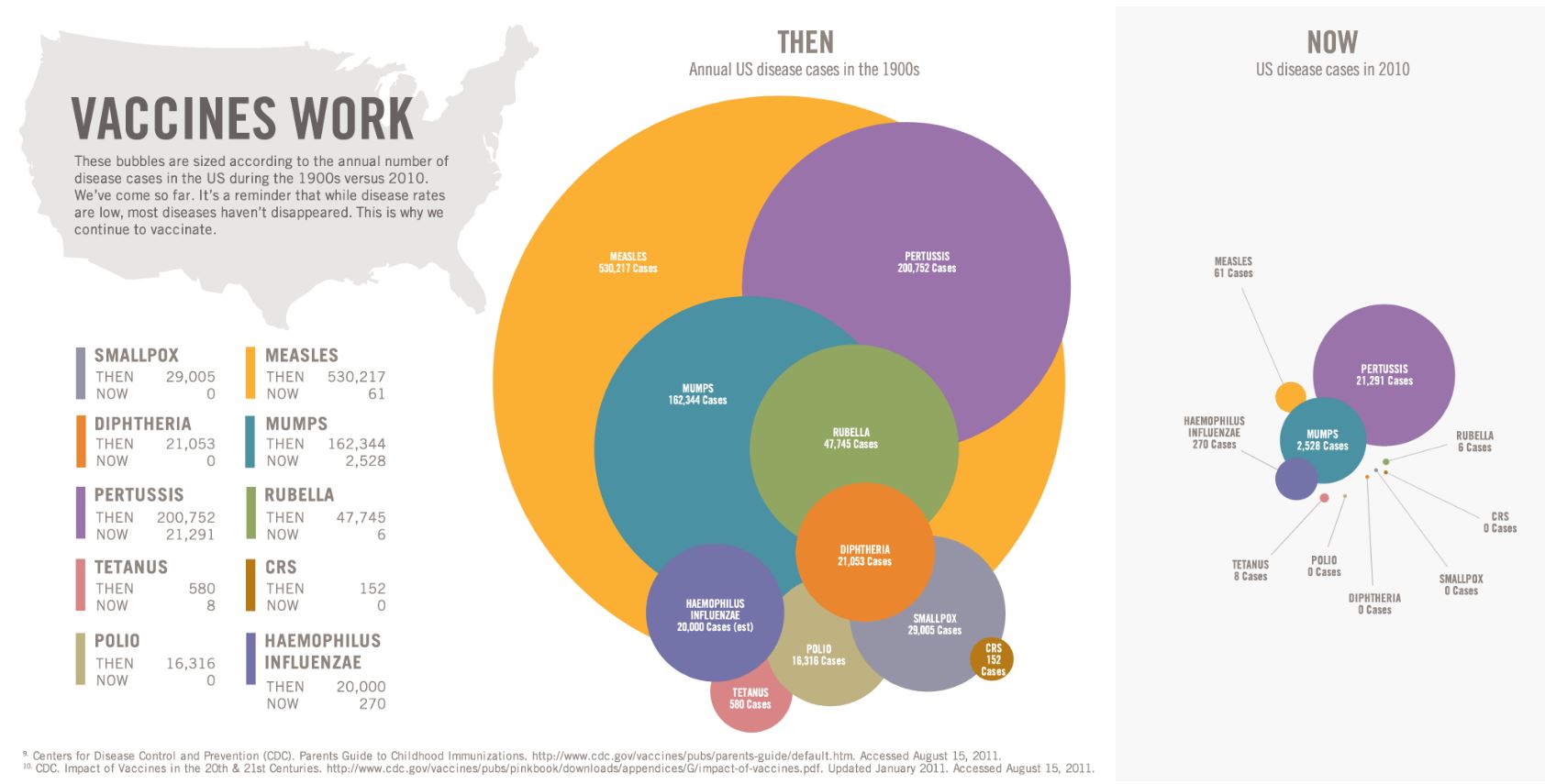
Vaccine Preventable Diseases
- Vaccines have dramatically reduced the number of cases of serious infectious diseases in the United States. This graphic shows the impact of widespread immunization over time.
Want some visual proof?
Videos
Importance about adult vaccinations
Importance about teen vaccinations
Why are childhood vaccinations important?
Why do pediatricians vaccinate?
FAQ
Why are vaccines important?
Vaccines protect you and your community from serious, sometimes deadly diseases. They help prevent outbreaks and keep people of all ages healthier
How do vaccines work?
Vaccines teach your immune system to recognize and fight germs before they can cause illness. They prepare your body to respond quickly if exposed to a real infection.
Are vaccines safe?
Yes! Vaccines go through rigorous testing and continuous monitoring to ensure they are safe and effective. Serious side effects are extremely rare.
For more information, check out vaccine safety.
What are the most common side effects of vaccines?
Most people experience mild side effects such as a sore arm, low-grade fever, or fatigue. These are signs your body is building immunity.
Why do some vaccines require booster shots?
Some vaccines need boosters to maintain strong immunity over time or to improve protection as your immune response changes with age.
Do vaccines cause the illness they are supposed to prevent?
No! Most vaccines use inactivated or weakened germs, or just parts of them, so they cannot cause the disease.
Can I get vaccinated if I’m pregnant or breastfeeding?
Yes! Many vaccines are safe and recommended during pregnancy and breastfeeding to protect both parent and baby. Always consult with your healthcare provide.
What’s the difference between natural immunity and vaccine-acquired immunity?
Natural immunity comes from having a disease, but it can involve serious illness or complications. Vaccines provide safe, controlled protection without getting sick.